Physical Address
304 North Cardinal St.
Dorchester Center, MA 02124
Physical Address
304 North Cardinal St.
Dorchester Center, MA 02124


Boost your site’s SEO by mastering internal link building strategies that improve navigation and page authority.
Even though the headline is in Portuguese, I’m going to chat with you in English, because that’s the mission here. I’ve spent a good chunk of my professional life looking for ways to make internal linking less of a headache and more of a jackpot. Today, I want to tell you how I see internal link building—not just as an SEO trick, but as a friendly tour guide that helps both users and search engines find their way around a website. Ready to turn those loose threads into a web that works in your favor? Keep reading, because I’m sharing my playbook for internal linking that brings results and doesn’t feel forced.
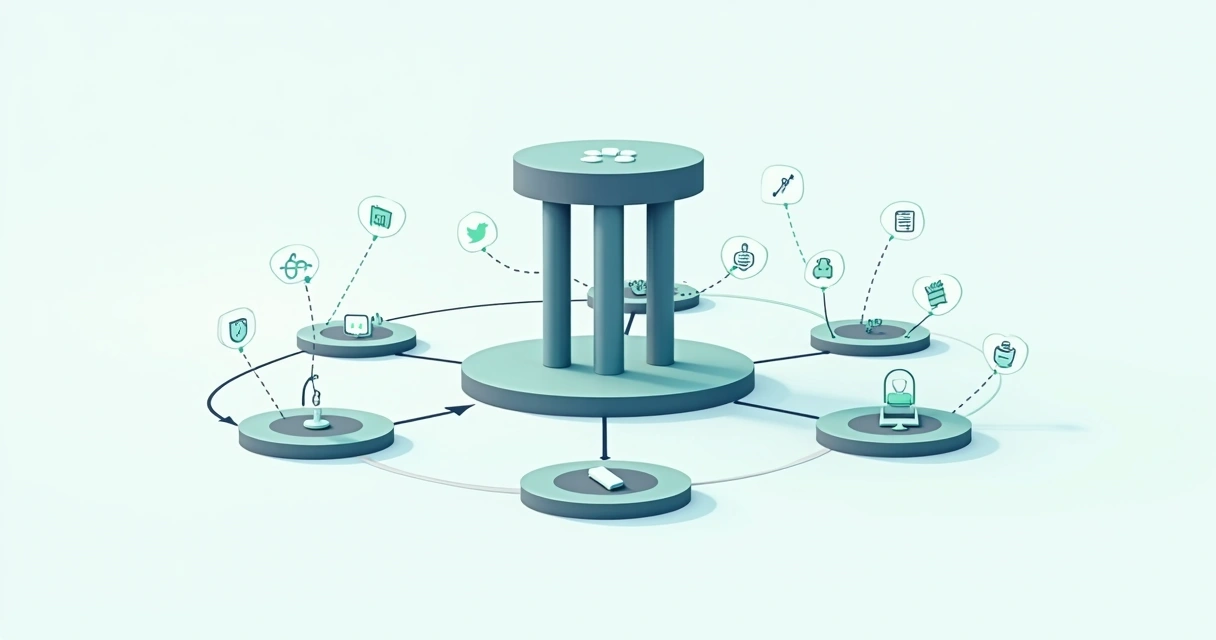
When I think of internal link building, I imagine a network of paths running across a beautiful park. Each path connects spots that you want your visitors to find—maybe a hidden bench or a flower field, if we’re really feeling poetic. In real terms, internal links are hyperlinks that send users from one page to another within the same website.
Internal linking helps search engines find, crawl, and understand the different parts of your site while making the journey easier for your readers too. Some folks don’t realize just how much these small connections affect both ranking and user experience. But after years of tinkering, I can say there’s magic in these links if you use them the right way.
If you care about SEO at all, you know that Google loves a well-structured site. Internal links do a lot of heavy lifting here:
In fact, good internal linking can move the needle for your Google ranking, simply by making your site easier to crawl and more valuable for visitors. Not bad for something you can set up in a few thoughtful steps.
Structure matters more than most realize.
I find that most people try to do internal linking on the fly. That works okay if your site only has a blog and a contact page. But when your content grows, chaos takes over fast. My experience taught me to plan first, link later. Here’s what my own roadmap looks like:
Anchor text is the visible, clickable part of a link. At first, I used to play it too safe—writing ‘read more’ or ‘click here’. But I realized these generic anchors are missed opportunities. Instead, I focus on descriptive phrases tied to the linked page’s topic, like website optimization techniques or “SEO best practices for beginners.”
Descriptive anchor text not only helps users know what they’ll get, but also signals to search engines the context of the linked page.
Placement matters, both for people and Googlebots. Through trial and error (and, let’s be honest, a few too many cups of coffee), I found these spots work best:
Think about the natural reading flow. I never force a link in where it doesn’t belong—it should feel like an invitation rather than a road bump.
 How many internal links per page?
This is one of the top questions I get. In my experience, there’s no universal number, but more is not always better. If the page feels cluttered or the links distract from the main message, I cut back.
As a guideline, I use anywhere from 2 to 6 meaningful internal links for standard articles, and more for long, in-depth content or hub pages. Quality beats quantity every time.
Also, try not to link the same keyword to different pages—keep things consistent to avoid confusing both users and search engines.
The web is always changing, and your site should, too. I set regular intervals (every two or three months) to review content and make sure internal links still point to the right resources. This keeps my network strong and maintains the value for visitors. Broken or outdated links are like dead ends in that park I mentioned at the start.
To be honest, I lean heavily on The Best SEO’s toolkit for this part. The platform makes it simple to spot link gaps and surface opportunities for improvement. When I’m running a bigger review, I’ll read articles like how internal links improve engagement, or check the SEO basics section for refreshers. I find that referring to these trusted sources both inspires new linking ideas and helps me stay updated with what’s working now.
 Troubleshooting common internal linking mistakes
I’ve learned a lot from real-world stumbles. The mistakes I see most often:
Whenever you spot one of these issues, take time to fix it right away. The clarity and value of your network is worth the extra effort.
Suppose I’m writing about topic clusters. Instead of telling readers to read more, I’d rather guide them with something like “learn how to use topic clusters” and link directly to a post such as internal linking tips for topic clusters. This makes the link feel relevant and purposeful, not just added in for SEO points.
Strong internal links guide users and search engines without fuss.
From auditing your content to picking smart anchor texts, internal linking is a real asset for anyone who cares about website growth. It’s not complex, but it rewards careful thought and maintenance. With a focused strategy—like the kind I use on The Best SEO—I’ve seen even small sites improve their search rankings and offer a better experience to their readers.
Ready to give your website a map that both users and Google will love? Stick with The Best SEO’s resources and try our tool to build your internal network the smart way. It’s not just an SEO hack—it’s the roadmap to making your site stronger every week.
Internal link building means adding links within your site, so each page connects to others on the same domain. This helps visitors navigate your content and allows search engines to crawl and understand your website better.
Start with a full content audit to know what you have. Then, decide on your most important pages and group related content together. Use descriptive anchor texts, place links where they fit your natural reading flow, keep checking for broken or outdated links, and adjust as your content grows.
Internal linking helps search engines understand your site’s structure and which pages are most valuable. It passes link value around your site and can help weaker pages rank higher, besides offering visitors more paths to discover your best work.
Use clear, descriptive anchor text. Link from strong pages to those you want to rank. Avoid too many or irrelevant links. Check links regularly for accuracy, and keep your top pages just a few clicks away from your home page or key hubs.
I recommend checking and updating internal links every two to three months, or whenever you publish new content that could strengthen your existing structure. This keeps visitors on the right track and your site easy to crawl.


