Physical Address
304 North Cardinal St.
Dorchester Center, MA 02124
Physical Address
304 North Cardinal St.
Dorchester Center, MA 02124


Learn how SERP features like snippets, local packs, and rich results impact rankings and boost your website traffic effectively.
For years, I’ve watched people react to the results page shown after they type a question in a search box. Sometimes, it’s relief. Sometimes, confusion. And sometimes, sheer delight, all because of what pops up and how it’s presented. As I’ve learned through my work here at The Best SEO, what happens on that all-important results page shapes how we succeed online.
Search engine results pages, usually called SERPs, are not just lists. They are neighborhoods, billboards, galleries, libraries, and sometimes, game-changers for businesses and content creators. But what actually lives on a results page, and how can you make sure your site gets more attention, more clicks, and more traffic?
In this article, I’m going to break down what makes up the modern results page, what features you should know, and, most importantly, smart actions you can take. Together, we’ll look at strategies that can improve your visibility and help you enjoy that sweet jump in traffic. Let’s begin with the basics, and get you closer to your goals.
Most people use search results every single day, but few stop to think about what goes into them. The acronym “SERP” stands for Search Engine Results Page, the page you see after you enter a search term or question into a search engine.
The results page is where search engines answer your questions, and where brands compete for attention.
A regular results page is divided into key parts:
Each one plays a unique part in guiding the user and decides what gets attention. When I first started studying this area, the most surprising lesson was how much a spot on one of those features could mean compared to the old blue links from years past.
Those of us at The Best SEO watch the changes closely, because results pages look nothing like they did a decade ago. Let me walk you through what’s most common today, and why it matters for your site’s strategy.

Organic results are the main event for most SEO efforts. These appear because a search engine thinks the content matches the searcher’s intent. They’re not influenced by ad money. Instead, these results are shaped by algorithms, looking at hundreds of factors like keywords, page quality, and relevance.
These are labeled with “Ad” or “Sponsored.” Businesses pay to show up in these prominent positions, where the chance of a click is much higher. While paid and organic listings appear together, they have different rules and strategies. My focus today is how you can increase your chance to appear naturally, but understanding both is helpful.
Modern SERPs now overflow with extra “attractions.” These include:
Each feature offers a new opportunity (and sometimes a challenge) for attracting traffic. In my experience, these features can “steal” clicks from the first organic link, meaning that aiming for them is more than a nice bonus, it’s sometimes a must. When I began to target featured snippets with my techniques, I saw rapid changes in traffic for my clients.
Panels often show up for branded queries or well-known people, places, and things. They appear on the side, with summaries, images, and quick facts. These panels can guide user decisions even before a single click. Strange as it sounds, sometimes capturing a spot here means users learn what they need before ever seeing your site. That’s good for trust, even if it’s not a direct visit.
It took me years to learn the patterns of these features, so here’s what I wish someone had told me early on.
When you see a box at the top, usually with bullet points, a brief paragraph, or a table drawn right from a site, that’s a featured snippet. Search engines grab this info to answer user questions quickly.
Featured snippets often provide ‘position zero’, a spot above all other organic results.
These links look a bit fancier because they use additional data, like star ratings, photos, prices, or even breadcrumbs. Rich snippets come from adding extra code (schema markup) to your website that search engines can read.
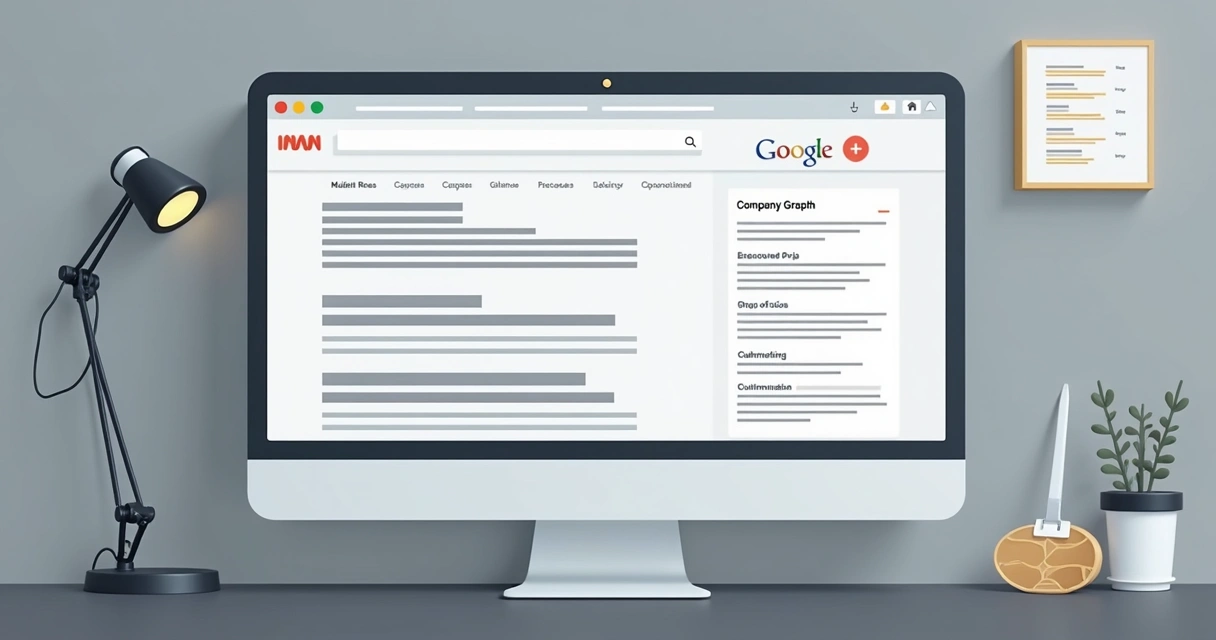
When you ask about a famous person, landmark, or brand, a panel appears on the right with quick details, images, and related queries. As I discovered, these usually draw from several trustworthy sources, and getting your brand into these panels means more credibility (and a sense of authority).
If your query is about a local place, like “pizza near me”, a local pack with a map and top local businesses shows up. Users see quick contact info, star ratings, and directions. Businesses with local focus should treat this feature as a goal in itself.
Sometimes, blocks of images or rows of video thumbnails pop up right within results, especially for queries with visual intent, such as recipes or travel ideas.
Pursuing slots in image or video packs can attract a different audience that prefers visuals over text.
Understanding the full layout of a search page helped me transform many strategies. Here’s what I’ve observed:
The best content is made to fit the actual results page, not just the search term.
If you want more on the foundations, I recommend reviewing these guides on SEO basics, they set up many of the steps I take before chasing after page features.
Once I understood how different features worked, I found several tried-and-tested ways to pursue them.
When my clients started aiming for these features, their site traffic from organic sources often jumped by 20-100% in a matter of weeks.
Schema markup unlocks many ‘extra’ features that help your result stand out visually.
Over the last few years, I’ve noticed a dramatic shift: search engines have started to use artificial intelligence to reorganize and even rewrite some results. This affects both what is displayed and which features get shown for a given search.
AI is making search pages adapt to each user, so features you see for the same term might change from one person or device to another.
I recall the first time a client of mine dropped in traffic overnight, only to discover that a new AI-powered box had pushed their once-top result way down the page. From then on, tracking features (and not just rankings) became critical to staying ahead.
In the current search world, it’s no longer enough to know where you show up. Success now means understanding how you show up, which features you appear in, and when those features shift.
Staying flexible is as valuable as ranking high.
For me, this meant a shift in what I measured. It’s not just traffic or rankings, but where that traffic comes from within the page. A practical guide to monitoring can be found under website optimization strategies on The Best SEO.
I’ve witnessed again and again how a well-placed appearance in a special feature drives more visits than several lower regular spots combined. Here are some true-to-life examples I’ve seen (and sometimes guided):
The right placement in the results page can radically boost both your traffic and your reputation.
The lesson is clear: don’t aim only for “number one”, aim for the right feature for your topic. This approach makes every content update or new campaign more targeted and worthwhile. Those tips, plus proven advice in the Google ranking blog posts and across digital marketing guides, are key parts of my own playbook.
Bringing it all together, here are practices that have delivered results for me and those I’ve coached at The Best SEO:
If you focus on the actual search page, not just words, your traffic is set to grow in ways you can see and measure.
Everything comes back to matching your content to real opportunities. Here’s my quick guide to winning more features:
Solid guides on this step can be found in The Best SEO’s content creation resources.
The more precise and matched your information, the better your odds of getting featured.
The world of search results is always shifting: more features, smarter algorithms, and new ways users interact. If you want more visitors, more customers, or simply more recognition, you have to look beyond ranking number one. You need to see what’s possible right on the results page and work to stand out where it really counts.
Test your strategies, watch how the features change, and remember, every tweak you make for a snippet, map, image, or panel can pay off fast. With practice and up-to-date advice from The Best SEO, the journey becomes much more manageable (and rewarding).
If you want your business or content to be where users are paying attention, take the next step: get to know how The Best SEO tools and resources can help you take charge of your presence. Start optimizing today and see your results grow.
In SEO, a SERP is the page displayed by search engines in response to a user’s query, showing organic links, paid ads, and special features like answer boxes or maps. This is where users decide what to click, so it’s what SEO professionals focus on when improving visibility.
Search engines use complex algorithms that look at content relevance, keyword use, page quality, site authority, and user intent to decide which results show up in which order on the page. They also decide which extra features to show, based on the query.
Featured snippets are special answer boxes that appear at the top of the results page, showing a direct excerpt from a website to answer a user’s question quickly. They often show lists, short answers, or tables pulled right from a web page.
You can improve your placement by creating high-quality, relevant content, using clear keyword phrases, optimizing site speed, adding schema for rich features, and gaining trusted links from other sites. Tracking which features appear for your terms and adjusting your strategy also makes a big difference.
SERP results differ due to a user’s location, search history, device, and even the time of day, and with AI, results are now adapted even more to each individual. This personalizes the experience but explains why your results may look different from someone else’s.


